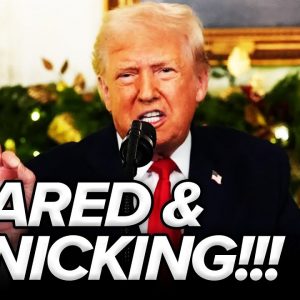
Donald Trump just said the quiet part out loud — and the reaction was instant.
For years, Trump branded himself as the ultimate “anti-war president,” the leader who alone could keep America out of foreign conflicts. He mocked past administrations, blasted George W. Bush over Iraq, and promised voters that endless wars were over. That image has been central to his political identity.
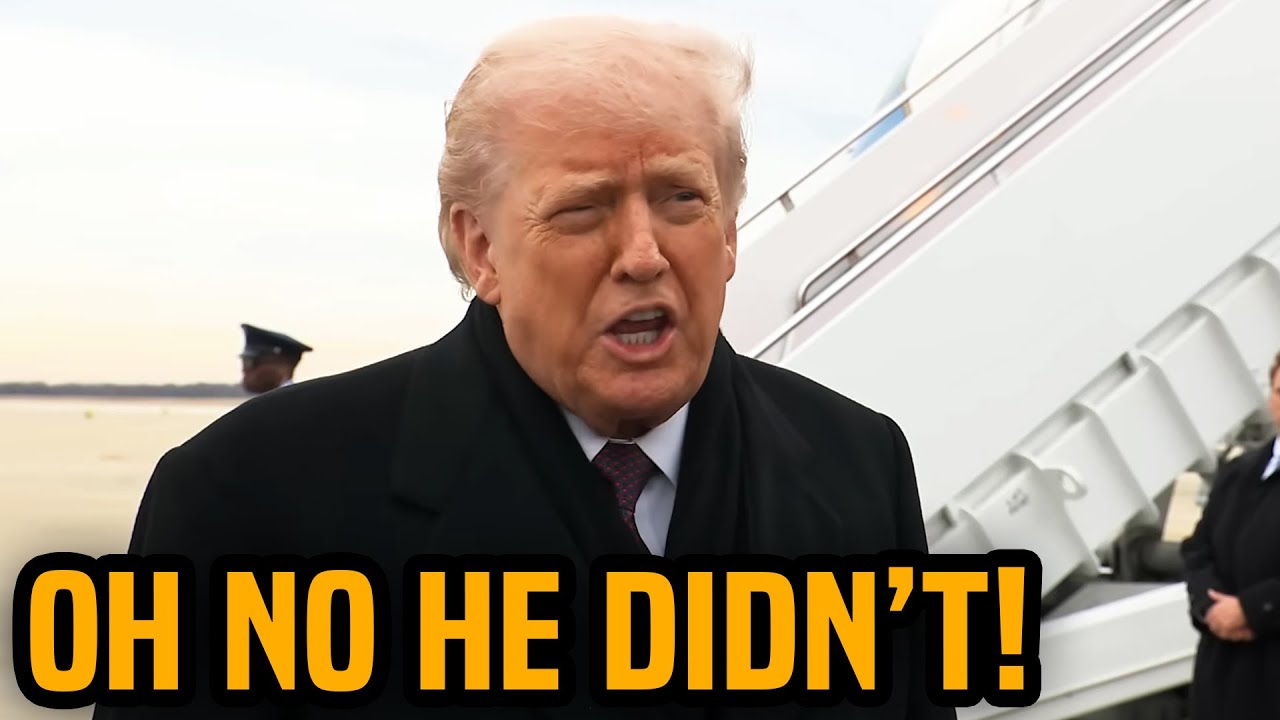 Then, standing in front of reporters, Trump shattered it in a single moment.
Speaking about Venezuela, Trump openly suggested the United States may need to reclaim “land” and “oil rights” that were “taken away from us.” He didn’t frame it as a humanitarian mission. He didn’t invoke democracy. He didn’t hide behind national security language. He said it plainly: they took our oil, and we want it back.
It was one of the most direct admissions ever made by a sitting or former U.S. president about war for resources.
What stunned observers wasn’t just the statement — it was the lack of disguise. Historically, American leaders have cloaked such motivations in lofty rhetoric. Trump skipped the script entirely. If this is about oil, he seemed to say, then let’s call it oil.
 That honesty, however, only deepened the contradiction.
Trump’s remarks directly clash with the promises that powered his rise. He repeatedly vowed to withdraw from foreign conflicts, not ignite new ones. Yet here he was, openly floating the idea of military confrontation in Venezuela — a sovereign nation — over oil access.
And the timing makes the statement even harder to justify.
The United States is currently producing more crude oil than any country in history. Domestic oil and gas extraction is at record levels. Even critics of fossil fuels acknowledge that America is more energy-independent now than at almost any point before. If there were ever a moment when war for oil made the least sense strategically, this would be it.
Which raises a darker possibility.
Some analysts believe oil may not be the real motive at all. The rhetoric could be a pretext for regime change — removing Venezuelan President Nicolás Maduro. Trump has a long history of personalizing conflicts, reducing geopolitics to strength contests. If this is about dominance rather than resources, critics argue, the danger is even greater.
Either explanation undercuts Trump’s core pitch.
If it’s oil, then the “anti-war” image collapses outright.
If it’s regime change, it revives the very interventionist playbook Trump once condemned.
The reaction among Americans has been swift and uneasy. Parents are asking whether their children should be sent into harm’s way over oil fields. Voters who supported Trump precisely because he promised fewer wars are now questioning what that promise was worth.
The moment became even more surreal when Trump was asked about his chief of staff, Susie Wiles, following a damaging Vanity Fair report detailing internal dysfunction. Trump publicly stood by her — for now. In Trump’s world, loyalty today does not guarantee survival tomorrow, but the pause itself was telling. It suggested an administration already under strain, now facing fresh scrutiny over both foreign policy and internal stability.
What makes this moment different isn’t just the policy implications. It’s the precedent.
Trump didn’t accidentally misspeak. He didn’t get cornered. He volunteered the justification. In doing so, he stripped away decades of political euphemism and exposed the raw logic beneath.
Whether this was a bluff, a warning, or a genuine preview of what’s to come, one thing is clear: Trump openly admitted something presidents usually deny.
And once that door is opened, it’s almost impossible to close.