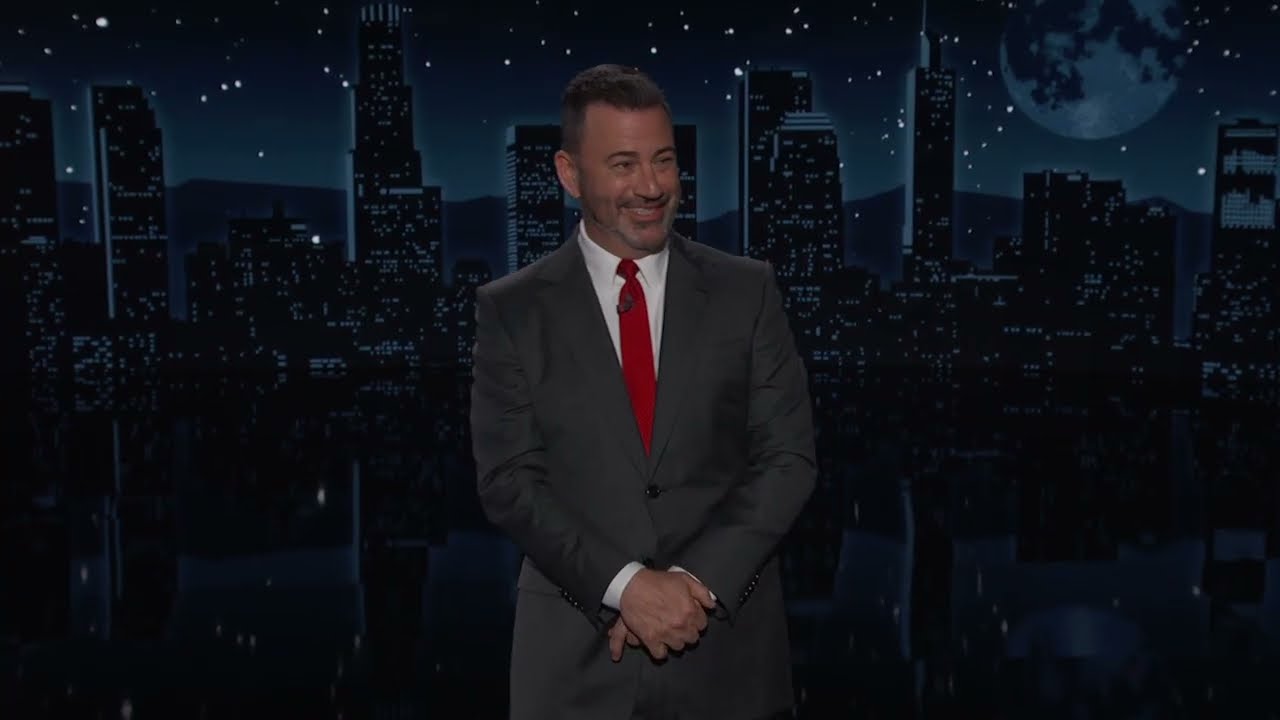
As the curtain closed on a bruising, bewildering year, late-night television became an unexpected confessional booth — and a warning flare. Jimmy Kimmel opened his final show of the year not with punchlines, but with raw emotion, thanking viewers for sticking through what he called an extended national breakdown. It wasn’t a bit. It was exhaustion speaking plainly, a host admitting that even satire struggles to keep up with reality anymore.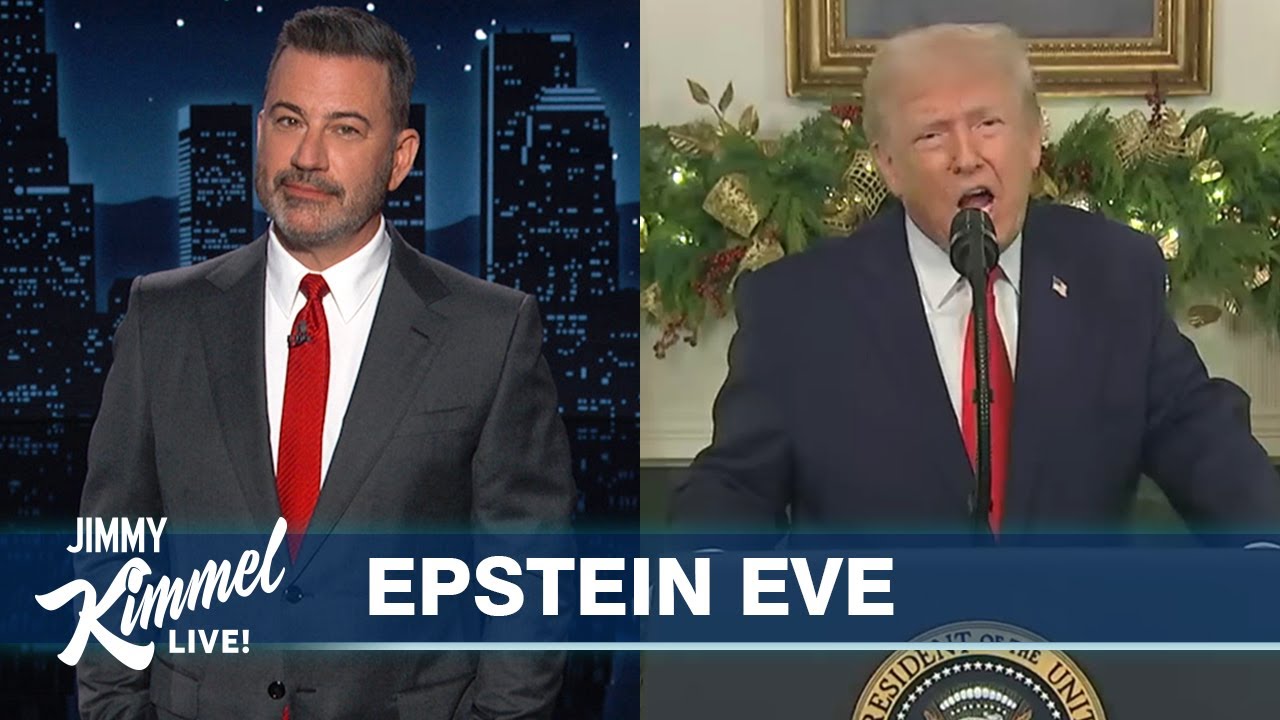
That reality arrived moments later in the form of Donald Trump’s end-of-year presidential address — an 18-minute verbal sprint that felt less like a speech and more like an emergency broadcast from an alternate universe. Delivered in prime time, interrupting a season finale of Survivor, the address was loud, frantic, and relentlessly self-congratulatory. Trump declared the country “dead” one year ago and now “the hottest nation anywhere in the world,” a claim so detached from measurable reality it left fact-checkers metaphorically face-down on the floor.
The delivery alone raised eyebrows. Words tumbled out at breakneck speed, thoughts collided mid-sentence, and statistics appeared to defy basic mathematics. At one point, Trump claimed to have lowered drug prices by 600 percent — a number that would require Americans to be paid to pick up prescriptions. The speech was less a summary of achievements than a greatest-hits remix of grievances, exaggerations, and recycled boasts.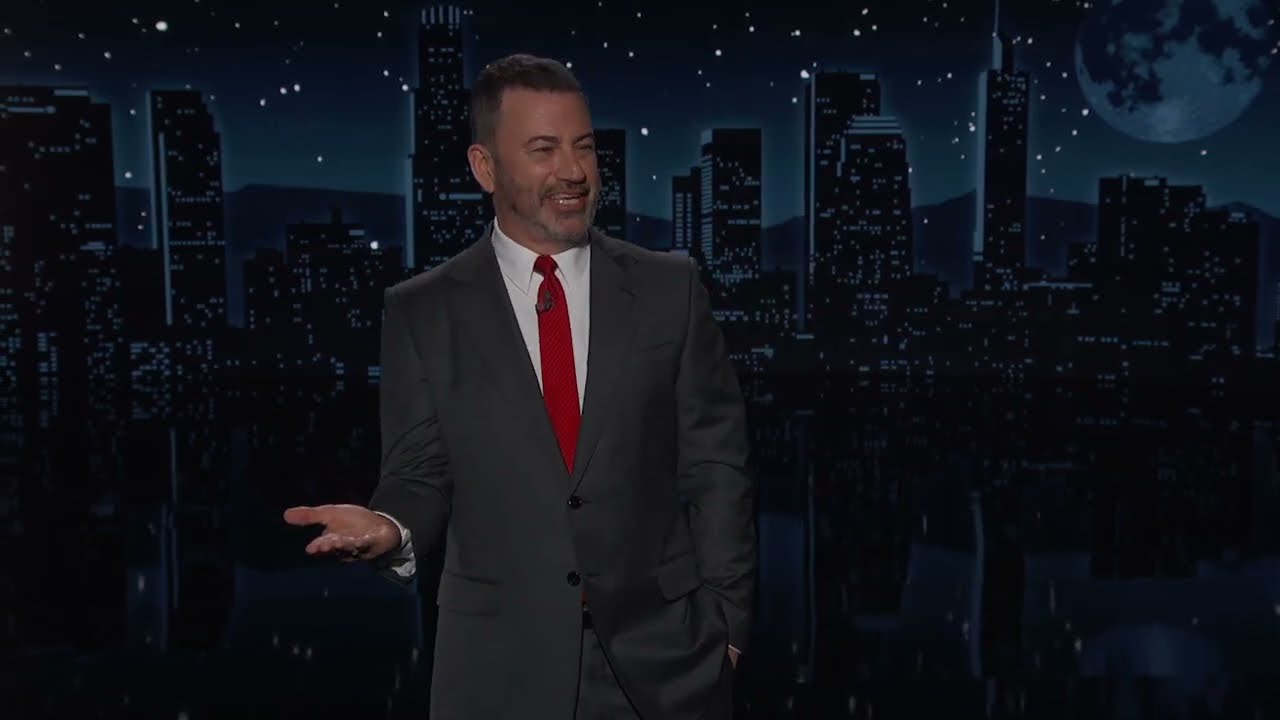
But the timing mattered. Looming over the address was a deadline Trump did not mention: the Justice Department’s court-mandated release of long-sealed Jeffrey Epstein-related documents. By midnight the following day, federal law requires the files to be made public. The anticipation has sent shockwaves through Washington, particularly after recent reporting detailed the depth of Trump’s past association with Epstein — including accounts of private gatherings at Mar-a-Lago and interactions Trump has long downplayed.
If the administration delays or redacts the files, critics are asking an uncomfortable question: who enforces the law when the law points back at the White House?
The tension was visible. Hours after the speech, Trump appeared at a public event and promptly fell asleep on camera. It was a surreal contrast — the man who had just proclaimed America’s unmatched vitality visibly struggling to stay awake under bright lights.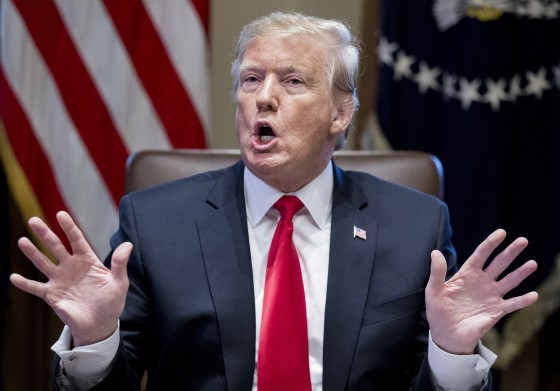
The contradictions didn’t stop there. Trump celebrated what he called a “unanimous” vote to rename the Kennedy Center in his honor — neglecting to mention that he appointed every board member involved and chairs the institution himself. The move has sparked outrage among cultural leaders and members of the Kennedy family, who point out that the center was established by federal law as a memorial to a fallen president, not a branding opportunity.
Meanwhile, healthcare costs threaten to spike as Republican lawmakers allow Affordable Care Act subsidies to expire, even as Trump continues to promise a healthcare plan that remains perpetually “two weeks away.” The administration’s current solution — a one-time $2,000 payment — would barely cover a single month’s premium for many families.
 The year’s final act veered into the absurd. Trump hosted a Hanukkah celebration at the White House, confidently retelling the holiday’s origin story to a room full of Jewish guests, pausing to ask if they had ever heard it before. It was an unscripted moment that perfectly captured the tone of the year: certainty without self-awareness.
And just when the political tension threatened to boil over completely, Kimmel’s show closed with pure, chaotic comedy — a recurring mythical “Hanukkah unicorn,” a parody boy band, and a reminder that sometimes laughter is the only defense left.
 The year ended not with resolution, but with a cliffhanger. Files unopened. Promises unfulfilled. Institutions strained. And a country watching, wondering whether the next chapter will finally bring clarity — or just an even louder spectacle.