Donald Trump’s morning unraveled fast. By the time the cameras rolled and the data hit the screen, it was clear this wasn’t just another rough news cycle. Reporters had exposed the one thing Trump fears more than anything else: being proven wrong—publicly, repeatedly, and with numbers he couldn’t shout down.
Trump has always treated criticism like a personal attack. Any challenge to his claims triggers instant retaliation. But this time, the problem wasn’t opinion. It was evidence. And evidence doesn’t flinch.
In recent days, Trump had already been under fire for inflammatory remarks following the death of filmmaker Rob Reiner. What stunned even longtime supporters wasn’t politics, but timing and tone. Conservative callers went on record saying they were deeply disappointed. Voters who backed Trump multiple times said the comments crossed a line, calling them unnecessary, cruel, and indefensible. For a figure who thrives on loyalty, that kind of moral backlash cuts deep.
But the real eruption came when Trump’s economic claims collided with reality.
For months, Trump has repeated the same promise: the “greatest job boom the world has ever seen.” He credits tariffs, tax cuts, and sheer confidence. He insists jobs are exploding, unemployment is under control, and critics are simply refusing to see the truth. His strategy is familiar—say it often enough, loudly enough, and dare anyone to contradict it.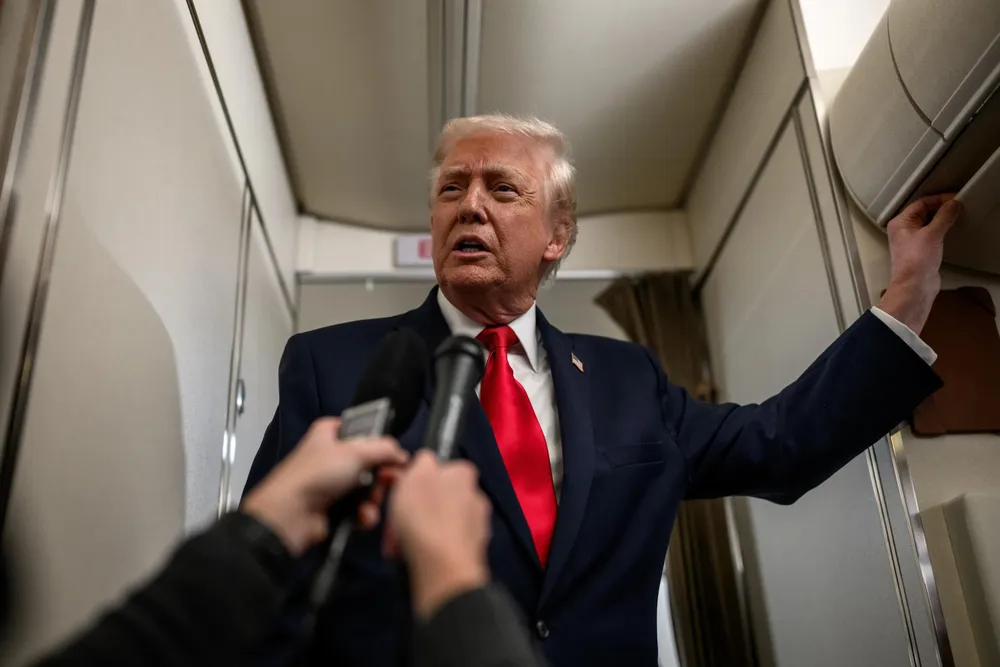
On this morning, reporters did exactly that.
A delayed but newly released jobs report painted a far darker picture. The U.S. economy added just 64,000 jobs in November—far below expectations—and lost 105,000 jobs the month before. Even more alarming, unemployment climbed to 4.6%, the highest level since 2021. That increase represents hundreds of thousands of Americans struggling to find work.
Economist Justin Wolfers laid it out plainly on air. Wage growth is weak. Hiring momentum is fading. Revisions to past data suggest the economy may have created virtually no net jobs for months. Strip away optimistic headlines, and what’s left is stagnation—or worse.
 Then came the line that landed like a hammer: since April, Canada has created more jobs than the United States.
For Trump, that comparison is brutal. America is vastly larger, with far more resources. Being outpaced by Canada directly contradicts his central message of dominance and economic resurgence. It wasn’t commentary. It was math.
Wolfers went further, invoking the Sahm Rule, a recession indicator with a strong historical record. When unemployment rises by half a percentage point, a recession often follows. That threshold has now been crossed. The warning signs are flashing.
Trump’s team insists things will turn around next year. That 2026 will be “their year.” But economists don’t work on vibes. They work on trends. And trends show an economy losing steam, not gaining it.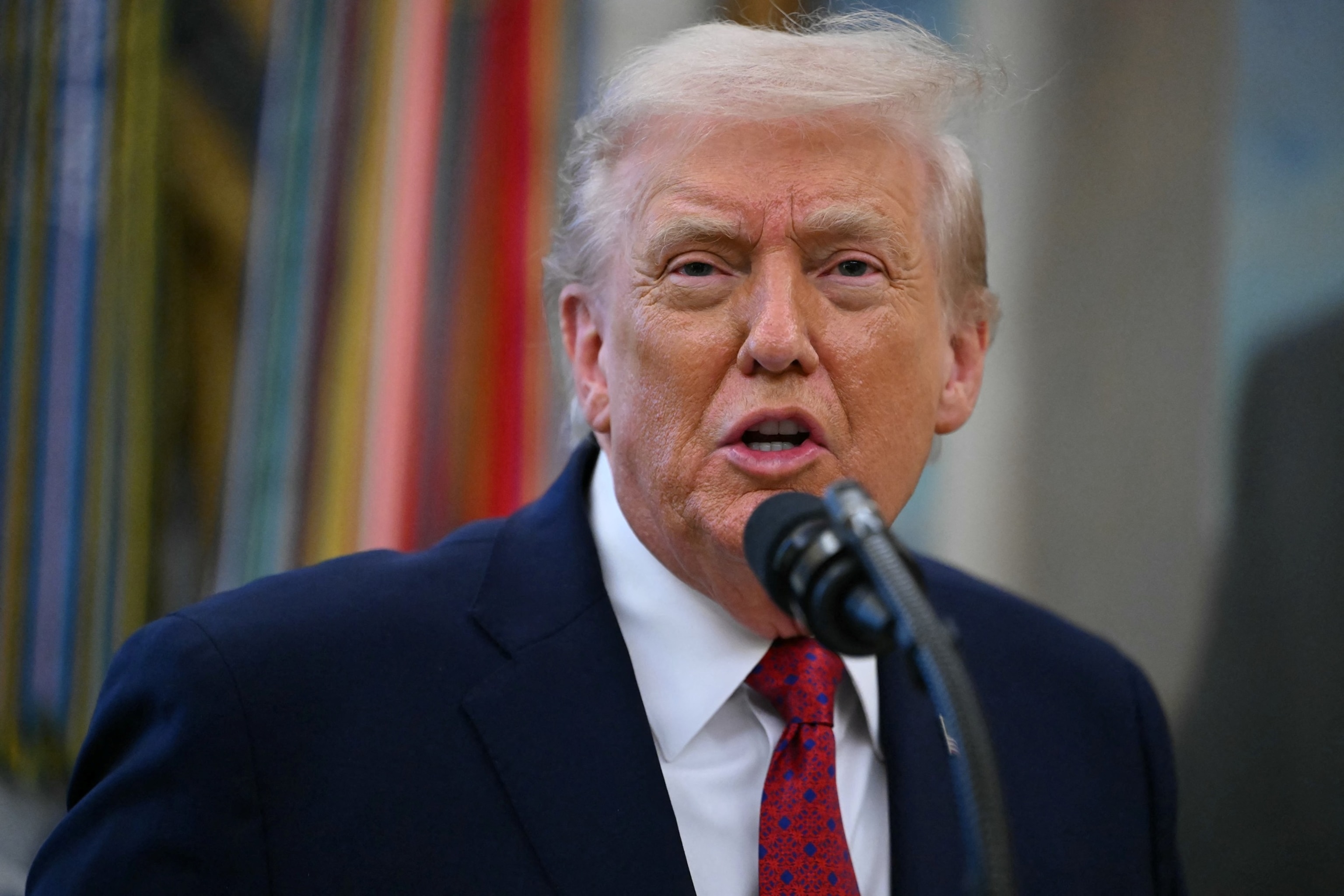
This is Trump’s real fear—not losing an argument, but losing control of the narrative. He can attack critics. He can insult opponents. He can flood social media with declarations of success. But he cannot intimidate economic data.
Every time Trump repeats claims of record job growth, reporters now have charts that say otherwise. Every boast invites a fact-check. Every exaggeration sharpens the contrast. The louder he insists he’s right, the clearer the gap becomes.
This wasn’t just a bad morning. It was exposure. The kind that strips away bravado and leaves only numbers behind. And for a man whose identity is built on never admitting error, that may be the most destabilizing outcome of all.