Trump’s Presidency Is Buckling Under a Legal Avalanche — and America’s State Attorneys General Are the Only Firewall Left
The story unfolding inside America’s courthouses is nothing short of historic: a presidency that promised “total authority” is being dragged back into constitutional reality again and again as courtroom defeats pile up like wreckage. What’s happening isn’t subtle. It’s loud, relentless, and happening daily — federal judges blocking, halting, freezing, and outright dismantling Trump-era policies at a pace never seen before.
From immigration raids to attempts to slash federal aid, from threats to voting systems to efforts to seize state authority, the courts have become the arena where Trump’s most aggressive actions are repeatedly slammed into legal brick walls. And leading that fight? Not Congress. Not federal agencies. But a coalition of 23 Democratic state attorneys general, now operating like the largest public-interest law firm in the country.
Their message is blunt: If the administration won’t follow the law, the states will drag it back into compliance — kicking and screaming if necessary.
What makes this moment more explosive is the context. A growing list of former federal judges — over 100 — have raised alarms about the threats to democratic norms. Many retired, many cautious. But the state AGs? They’re not retiring. They’re not stepping aside. They’re digging in.
And they are winning.
A White House Losing in Court — Constantly
These AGs describe a federal government that has changed dramatically since Trump’s first term. Gone are the traditional institutional restraints — Cabinet members willing to say no, legal advisors raising alarms, or even a Congress ready to assert basic authority. In their place: loyalists, loyalists, and more loyalists.
The result? The AGs say they’re fighting actions so legally extreme, judges are citing the Federalist Papers in their rulings — a flashing red warning siren for anyone familiar with constitutional law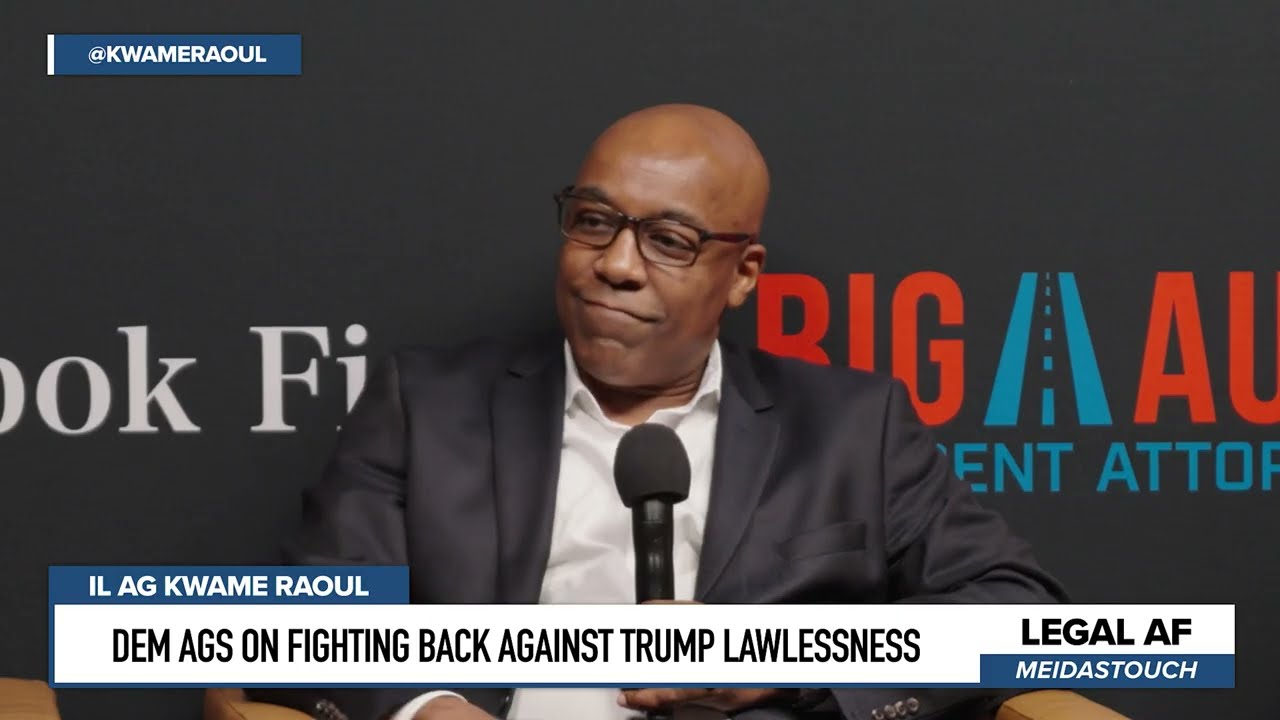
A Few Examples That Shocked Even the Experts
-
A plan to distribute 12,000 machine guns into communities — blocked only because the AGs sued.
-
A sudden cutoff of $6 billion in education funding, including services for children with disabilities — reversed only after litigation.
-
Attempts to seize control of state voting systems, including massive requests for personal voter data — stopped cold by legal challenges.
-
Sweeping cuts to food assistance programs, potentially affecting 42 million Americans — again stopped only by lawsuits.
These aren’t small disputes. These are foundational fights about what the presidency can and cannot do.
“This Administration Is Different”
AGs who served during Trump’s first term say the contrast is staggering.
Back then? Some guardrails still held.
Now? They describe a government that “does not believe the law applies to it,” and a Congress too fearful to intervene.
And that’s why the AG coalition has become the de facto opposition — not ideological, but institutional.
The Courts Are Warning Too
One Reagan-appointed judge called a key Trump policy
“the most blatantly unconstitutional action I’ve seen in nearly four decades.”
Another judge stepped down entirely, saying he couldn’t remain silent under the constraints of judicial ethics while watching what was happening.
These aren’t activists. They’re conservative jurists alarmed by what they’re being asked to rule on.
2025’s Biggest Shock: Voting Rights Battles
Behind the scenes, AGs are preparing for the next election cycle with quiet urgency.
They’re coordinating rapid-response teams.
Drafting emergency briefs in advance.
Tracking attempts to deploy federal “monitors” in ways that might intimidate voters.
And refusing to hand over intrusive voter data requests.
Their goal: keep elections functioning even if political rhetoric becomes more extreme.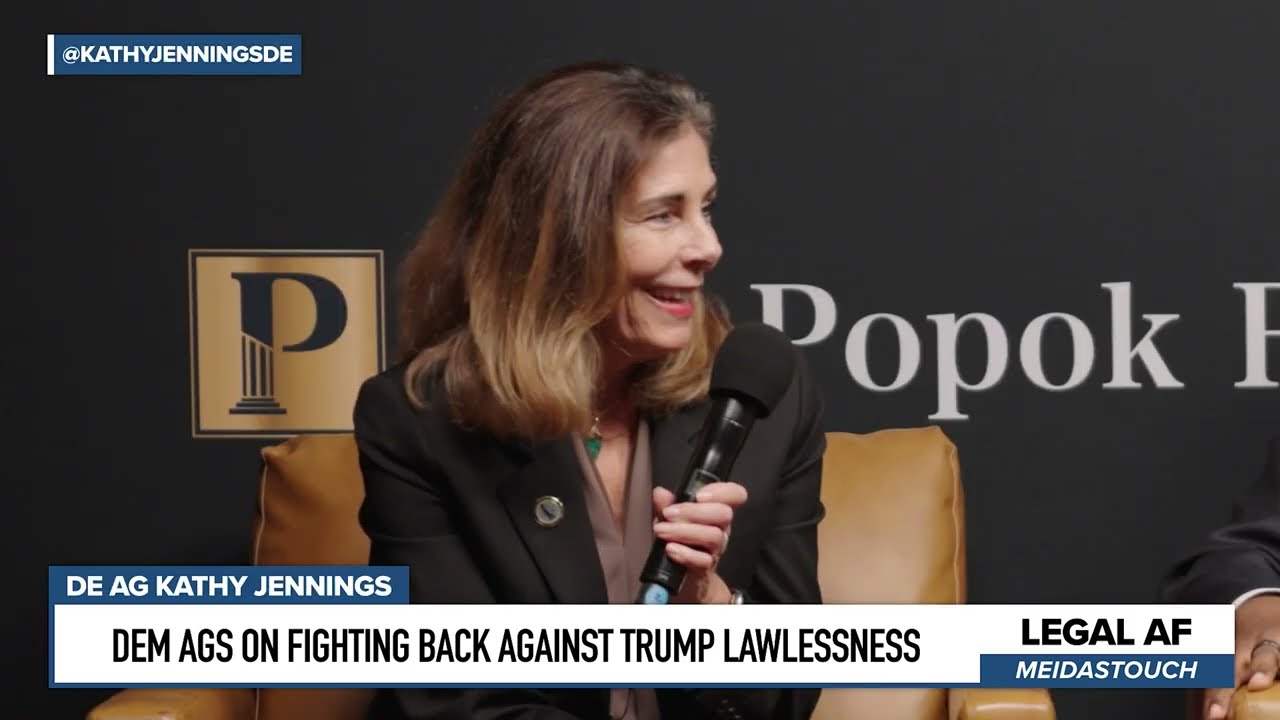
The Stakes Couldn’t Be Higher
Every AG on that panel said the same thing:
They never imagined they would be fighting the federal government to prevent actions they believe violate the Constitution itself.
But here they are.
And for now — they are winning.