For a brief moment, the news flickered and vanished. An electric vehicle plant in Ontario shut down. General Motors paused production. A few headlines appeared, then disappeared beneath louder stories. But beneath that quiet moment was something far more consequential: Canada had just delivered a punishment to GM more precise, more immediate, and more damaging than anything the Trump administration ever imposed with tariffs.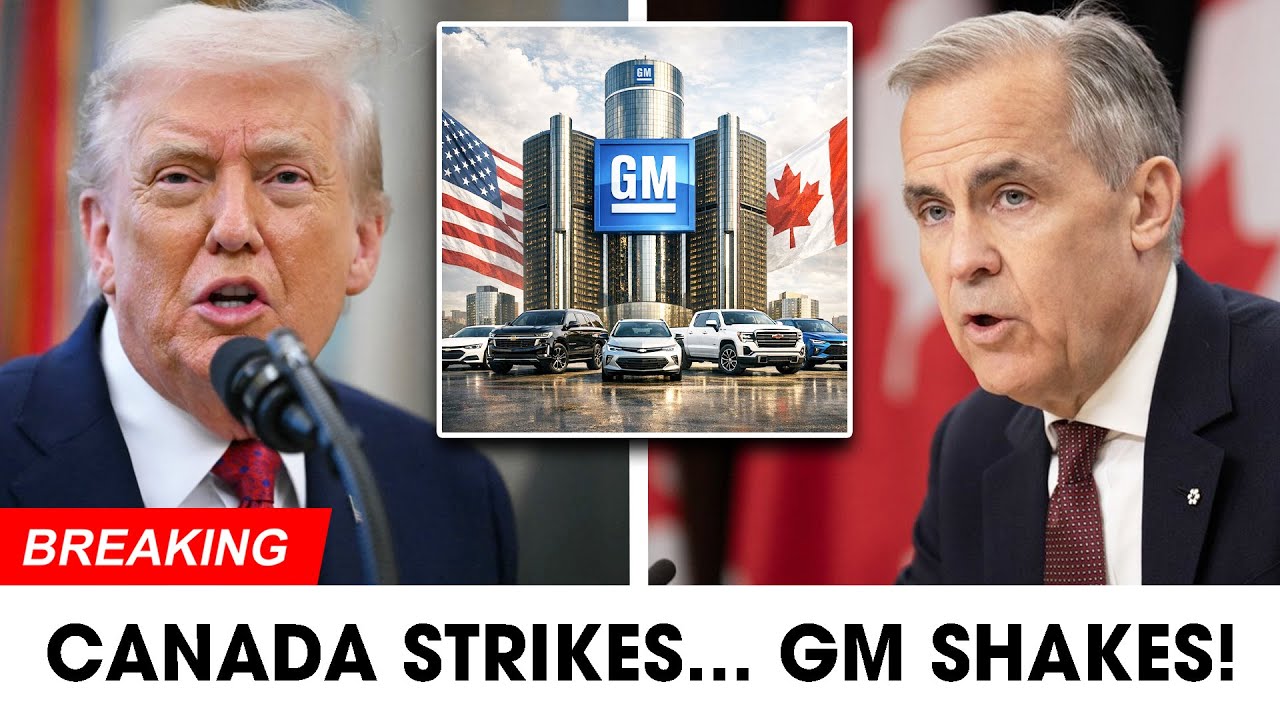
At first glance, the explanation sounded routine. GM halted production of its BrightDrop electric delivery vehicles at its Ingersoll, Ontario plant. Canadian officials responded by accusing the company of failing to meet commitments tied to government support. Almost simultaneously, the United States announced new automotive tariffs aimed squarely at Canada, reviving familiar rhetoric about bringing manufacturing back to American soil.
It looked like another trade dispute. Another standoff. Another multinational caught between two governments.
But that surface narrative missed the real story.
Canada wasn’t reacting emotionally. It wasn’t retaliating loudly. It wasn’t posturing. Instead, it activated a system that had been quietly built long before this moment—a system designed to enforce accountability without drama. And GM felt the impact almost immediately.
Unlike U.S. tariff policy, which arrives with thunder but often leaves uncertainty in its wake, Canada’s approach is contractual. When Ottawa supports an industry with public funds, it ties those benefits directly to measurable commitments. Stay invested. Keep production. Honor the deal. Break it—and the benefits disappear.
That’s exactly what happened.
GM didn’t just pause production. In Canada’s view, it violated the terms under which it received incentives. The response wasn’t a press conference or a threat. Canada reduced GM’s access to duty-free import quotas—an adjustment that translated into immediate, tangible financial loss. No negotiations. No delays. No political theater.
This was not punishment by symbolism. It was punishment by design.
What makes this moment so striking is the contrast with Washington’s approach. Under Trump, tariffs were wielded as weapons of pressure—dramatic, sweeping, and unpredictable. They sent signals, rattled markets, and promised strength, but their effects often depended on timing, enforcement, and future negotiations. Companies learned to wait them out.
Canada didn’t give GM anything to wait out.
Ottawa had already embedded consequences into its industrial framework. Incentives existed only as long as commitments were honored. When production stopped, the penalties triggered automatically. This wasn’t escalation. It was execution.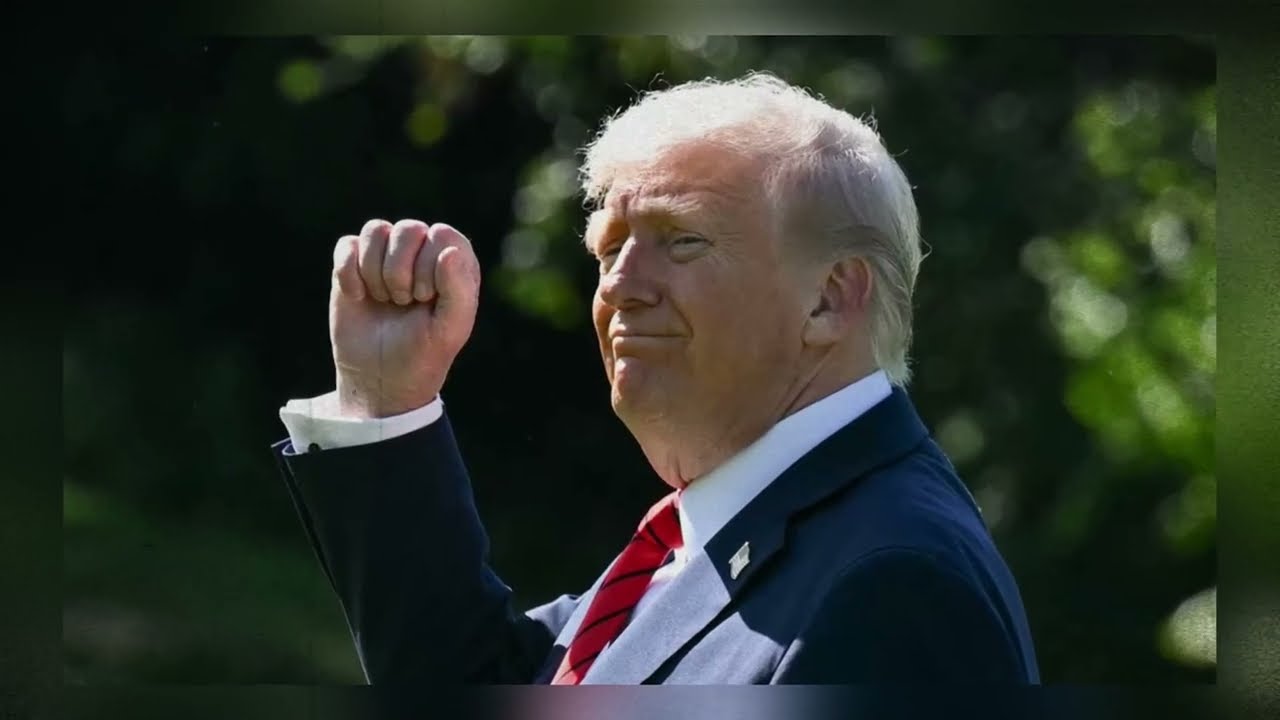
The deeper implication goes far beyond one factory. Canada and the United States are revealing two fundamentally different visions of economic sovereignty. Washington emphasizes pressure—force markets to move through tariffs and political leverage. Ottawa emphasizes reciprocity—support industries, but bind that support to responsibility.
In this clash, GM found itself no longer acting as a neutral corporate actor. It became a node between two national strategies. On one side, the U.S. demanded relocation. On the other, Canada demanded accountability. And this time, Canada’s system proved far less forgiving.
For workers in Ingersoll, the impact is immediate and painful. Jobs disappeared. Communities were shaken. Industrial policy isn’t abstract when a plant shuts down. It reshapes daily life, identity, and confidence in the future. That human cost is real—and it’s precisely why accountability matters.
Canada’s message wasn’t anti-business. It was clear: public money creates public obligations. If taxpayers fund a transition, companies are expected to stay committed to the communities that trusted them. That clarity builds credibility—something tariffs alone can’t provide.
This episode also signals a broader shift underway across North America. Globalization once allowed corporations to treat borders like accounting details. That era is fading. Governments are tying incentives to geography, production, and long-term presence. Borders are becoming obligations, not suggestions.
Trump’s tariffs were loud. Canada’s response was quiet. But in the end, the quieter move carried more weight. GM didn’t face a future threat. It faced an immediate consequence.
 And that’s why this moment matters. Canada didn’t punish GM with bravado. It punished GM with structure. In a world where economic power increasingly lies in enforcement rather than rhetoric, that difference changes everything.