Washington witnessed a moment this week that should have stopped the country in its tracks. Not because an impeachment succeeded—but because one was silenced before Americans could even hear the case.
Representative Al Green introduced a resolution to impeach President Donald Trump, citing deeply alarming allegations involving rhetoric about “execution” directed at political rivals and military officials. These were not offhand remarks or heated campaign insults. They were words that strike at the very core of democratic norms. And instead of confronting them in public, House leadership moved with stunning speed to make the problem disappear.
The impeachment resolution was tabled—a procedural maneuver that effectively buries it without debate, evidence, or accountability. The lights were turned off before the American people could hear a single argument. And in a moment that shocked even seasoned observers, 23 Democrats joined Republicans to help shut it down.
That decision revealed something far bigger than a legislative strategy. It exposed fear.
This was not the behavior of a confident majority. It was the behavior of a party terrified of what might happen if the evidence was aired in daylight. GOP leadership knew that a full impeachment debate would force lawmakers to choose—between party loyalty and conscience, between silence and accountability. Rather than risk that reckoning, they chose to hide.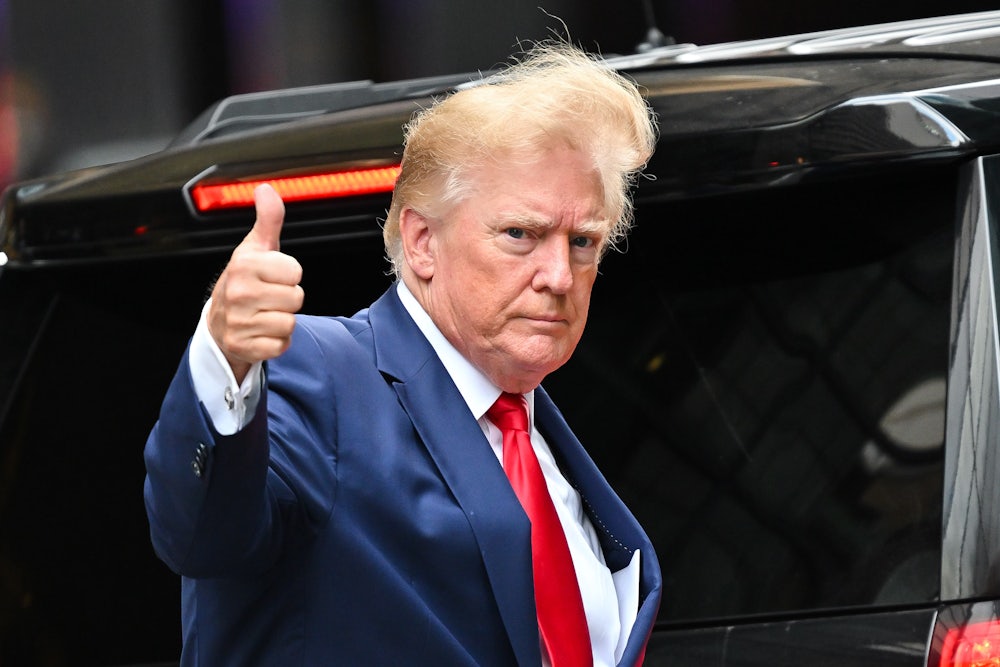
The allegations themselves are chilling. When a president uses language that suggests violence—especially against people who serve the country in Congress or the military—it doesn’t exist in a vacuum. Words from the Oval Office carry weight. They ripple outward, shaping behavior, legitimizing threats, and creating fear among public servants who rely on the rule of law to do their jobs safely.
In a functioning democracy, that kind of rhetoric would trigger immediate scrutiny. Not avoidance.
Yet instead of courage, Congress chose comfort. The impeachment resolution was killed before it could breathe. Leadership didn’t want a trial. They didn’t want witnesses. They didn’t even want a debate. Because once the truth is spoken aloud, it can’t be unspoken—and defending it becomes impossible.
What makes the moment even more disturbing is the bipartisan silence that enabled it. Those 23 Democrats who voted to table the resolution didn’t just avoid controversy; they helped normalize it. By choosing political safety over principle, they sent a message that some threats are simply too inconvenient to confront.
That’s how democratic erosion begins—not with tanks in the streets, but with quiet procedural votes that make accountability vanish.
The consequences extend far beyond Capitol Hill. When leaders refuse to address violent rhetoric at the highest levels, it creates a climate of fear for judges, military officials, civil servants, and everyday Americans. It tells bullies that intimidation works. It tells extremists that restraint is optional. And it tells the public that the rules only apply when they’re politically convenient.

This wasn’t just about Donald Trump. It was about whether the system designed to check power still functions when it’s needed most.
Impeachment is not meant to be routine. It is serious, rare, and consequential. But when allegations involve threats of execution, dismissing them without examination is not restraint—it’s negligence. The framers didn’t design impeachment as a weapon of convenience. They designed it as a safeguard against abuse.
 This week, that safeguard was deliberately sidelined.
History shows that ignoring dangerous rhetoric doesn’t make it fade. It allows it to grow. Silence becomes permission. And fear becomes policy.
The House leadership may believe they won a short-term political victory by avoiding an uncomfortable fight. But the cost is long-term damage—to trust, to safety, and to the belief that no one is above the law.
Democracy doesn’t collapse all at once. It erodes when leaders decide that the truth is too risky to confront.
And this week, Washington showed just how afraid it has become of the truth.