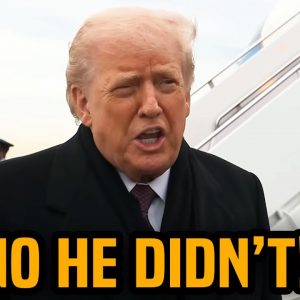
Donald Trump’s latest Oval Office appearance was supposed to be a reset. A chance to reclaim control of the narrative, reassure voters, and prove — loudly — that his economy is “the best ever.” Instead, it unfolded like a political self-own so raw and unfiltered that even longtime observers were stunned by how quickly it spiraled.
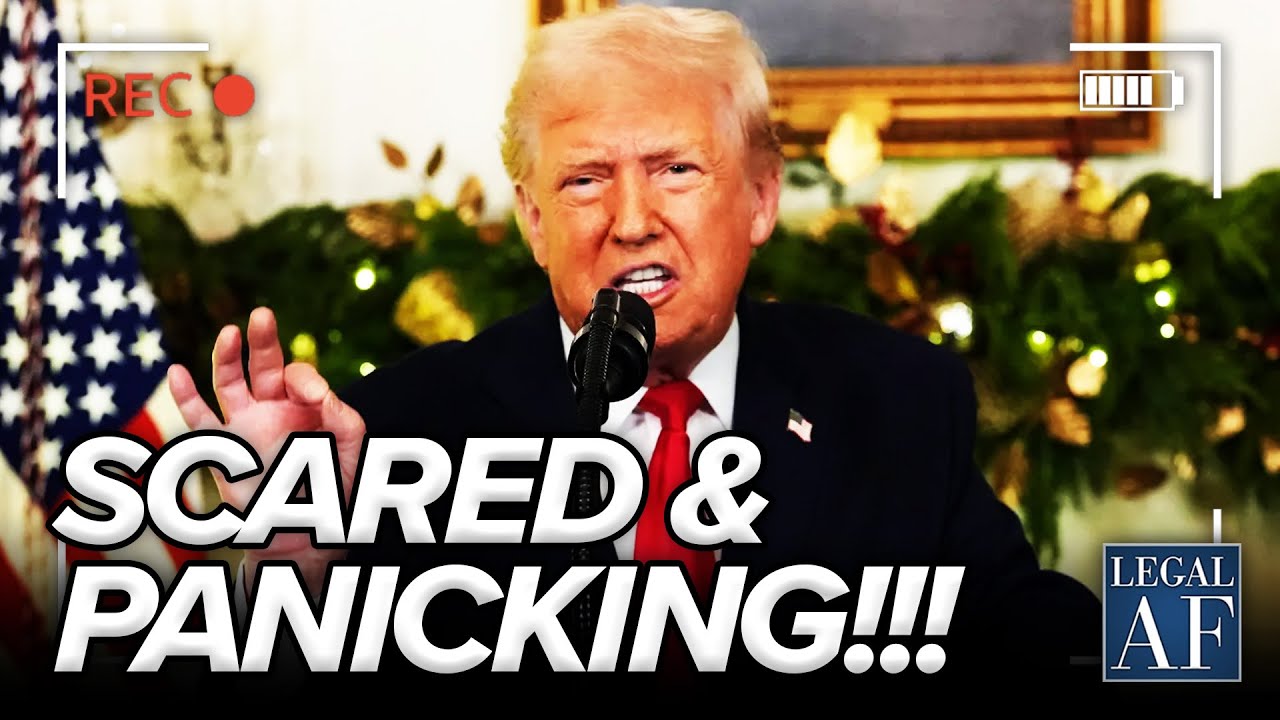 For 18 relentless minutes, Trump didn’t sell a vision. He demanded validation.
Gone was any pretense of calm leadership. In its place came a barrage of shouting, exaggeration, and claims so detached from lived reality that they collapsed under their own weight. The message, stripped of rhetoric, was painfully simple: Why don’t you love me more?
Trump raced through the speech as if time itself were chasing him. The tone was frantic, defensive, and angry — not the posture of a confident leader, but of someone who senses the ground shifting beneath his feet. While aides and allies worried he might escalate tensions abroad, Trump instead declared war on a different front: the American voter.
He insisted the country had been “dead” a year ago and is now “the hottest country anywhere in the world.” He claimed inflation had stopped, wages were up, prices were down, and the border was secure — a cascade of assertions that collided headfirst with what millions of Americans are actually experiencing.
Because outside the Oval Office bubble, the picture looks very different.
Grocery bills are higher. Gas prices sting. Healthcare costs loom larger as protections tied to Obamacare face elimination. Consumer spending is down outside of seasonal spikes. Inflation remains stubborn. Unemployment has climbed to 4.6%, the highest rate since the COVID era — a flashing warning light in any economy.
Yet Trump responded to that disconnect not with empathy, but with volume
At one point, he claimed prescription drug prices had been slashed by 400, 500, even 600 percent — a mathematical impossibility so absurd it bordered on parody. A 600% price reduction would mean pharmacies paying customers to take medicine home. But Trump delivered the line with absolute confidence, daring reality to challenge him.
It didn’t get better.
He credited himself for future events like the World Cup, the Olympics, and America’s 250th anniversary, weaving them into a triumphal narrative that seemed disconnected from the moment. The speech crescendoed into a demand for gratitude — gratitude for tariffs that act as taxes on consumers, gratitude for policies that squeeze household budgets, gratitude for pain reframed as progress.
What ultimately doomed the appearance wasn’t just the false claims. It was the fury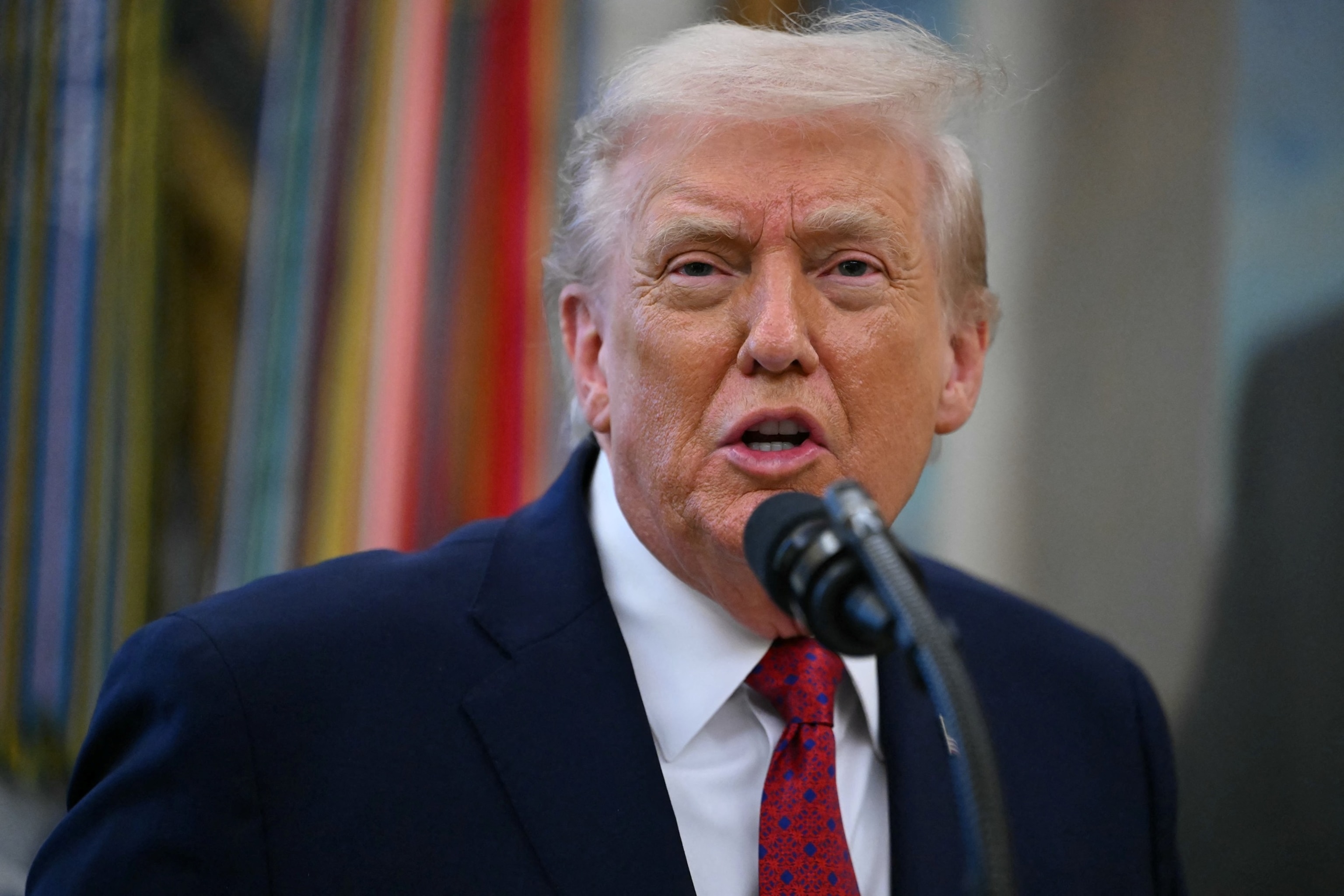
Even with the sound off, the performance told its own story. The pitch. The pace. The clenched delivery. It felt less like a presidential address and more like a scolding. As critics noted, it echoed the logic of an old threat: the beatings will continue until morale improves.
Trump stayed “on message,” but the message itself was overwhelmed by the delivery. Anger drowned out persuasion. Volume replaced substance. Any attempt to inspire confidence was buried under resentment.
And the visuals only made it worse.
A president holding economic rallies in casinos. Hosting lavish parties at Mar-a-Lago. Building golden ballrooms while families worry about rent and groceries. A man who rode a populist wave now insulated by billionaires, golf courses, and private resorts — rarely meeting ordinary people outside tightly controlled rallies.
The deeper problem, critics argue, is isolation
Trump reportedly avoids briefings, ignores congressional leaders, and surrounds himself with loyalists rather than dissenting voices. That creates a sealed environment — a political black box — where bad news doesn’t penetrate and suffering becomes abstract. Inside that bubble, shouting feels like leadership. Outside it, the performance reads as desperation.
By the end of the 18 minutes, whatever message Trump intended was lost. The anger became the headline. The contradictions hardened. The economic narrative, already slipping, felt cemented in the public mind.
Instead of regaining control, Trump revealed something far more damaging: a leader so disconnected from voters’ reality that he can only respond by yelling at it.
And in politics, when frustration replaces persuasion, the damage tends to be self-inflicted.