In a stunning reversal, the Trump administration has made a court admission that could permanently change one of the deadliest aviation cases in recent US history.
Buried inside a massive federal court filing is an acknowledgment Washington never expected to make publicly: government failures contributed directly to a midair collision that killed 67 people. Sixty-four passengers aboard an American Airlines regional flight. Three US Army personnel aboard a Blackhawk helicopter. No survivors.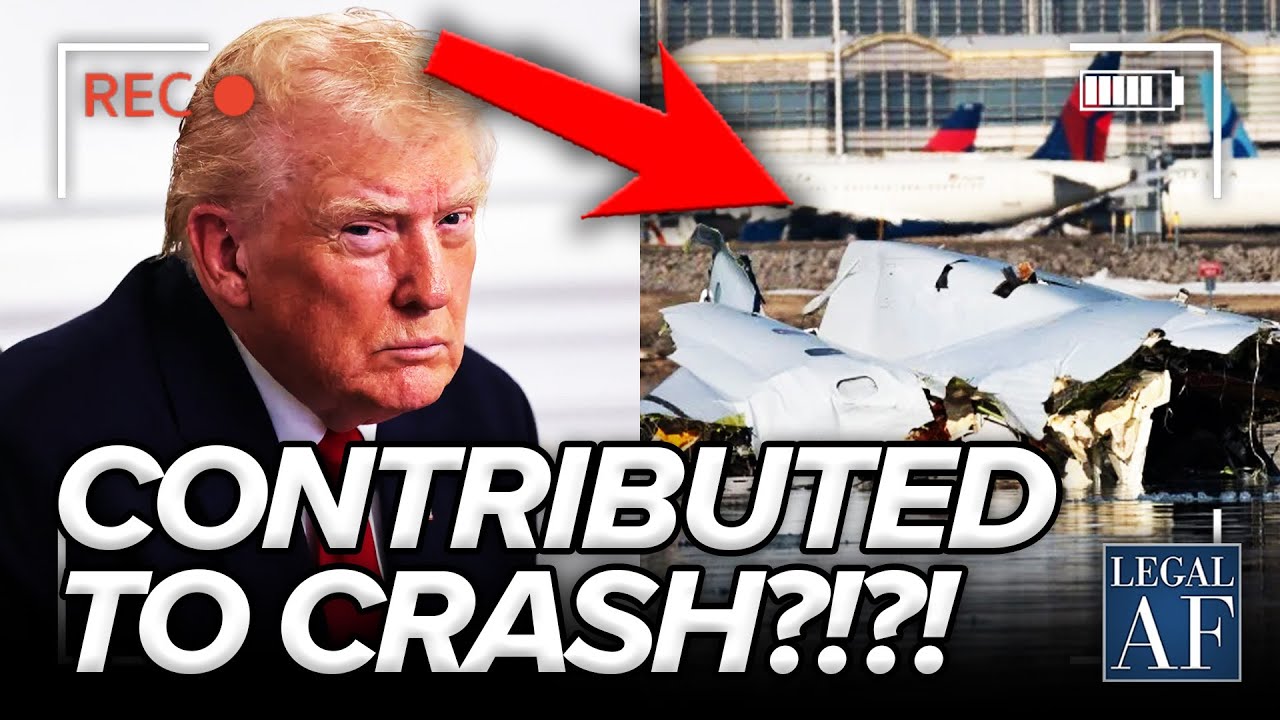
The crash occurred on January 29, 2025, just days after Donald Trump returned to office. And now, months later, the administration has effectively admitted liability.
The revelation comes from a multi-hundred-page legal response filed in federal court in Washington, DC, where multiple lawsuits brought by victims’ families have been consolidated. The filing concedes that the Army helicopter crew failed to maintain vigilance and avoid the commercial aircraft — an admission that triggers responsibility under the Federal Tort Claims Act.
In plain terms: the government is admitting fault.
This wasn’t a vague acknowledgment or carefully hedged language. On page after page, the filing concedes that the Army Blackhawk helicopter was flying without critical broadcast technology, failed to properly track nearby aircraft, and operated in dangerously crowded airspace despite prior warnings of near-miss incidents.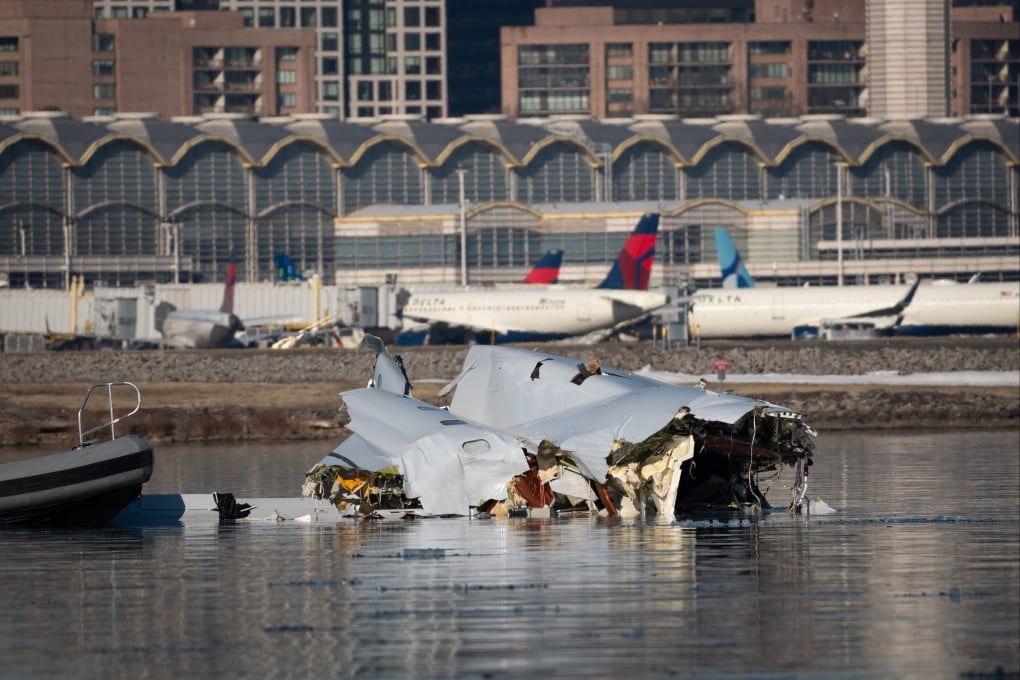
According to the filing, the helicopter did not transmit its altitude, velocity, or GPS position — effectively flying blind in one of the busiest air corridors in the country. Even worse, the Army’s own records showed its pilots were already on notice that this exact route had produced repeated near-miss events.
And still, nothing changed.
The National Transportation Safety Board had already laid the groundwork for this reckoning. Over the summer, NTSB investigators found a cascading series of failures involving the FAA, air traffic controllers, and Army aviation units. Helicopter altimeters were routinely inaccurate by as much as 130 feet. Controllers failed to issue specific warnings to the passenger jet. Standard separation procedures were inexplicably ignored.
The court filing pulls those findings directly into the government’s own words.
In one of the most damning passages, the administration admits that the Army helicopter pilot’s failure to maintain vigilance was both the cause and the proximate cause of the collision. That single sentence collapses years of legal defenses before the cases even reach trial.
Legal experts say this is not just a procedural concession — it’s a seismic shift. Once the federal government admits liability in one case, that admission follows it across all related lawsuits. Families who have waited months for accountability now have it, in black and white.
And the timing makes the fallout even more explosive.
The trial itself isn’t scheduled until 2027. But with these admissions now on the record, pressure is mounting for the administration to settle rather than force families through years of additional litigation. Every page of the filing makes it harder to argue this was an unavoidable accident.
The government even acknowledged that near-collisions in this airspace were already documented — data that should have triggered urgent safety changes long before the crash. Instead, the risks were allowed to compound until catastrophe became inevitable.
“This was an accident waiting to happen,” the original complaint alleged. The Trump administration, in effect, now agrees.
For the families of the victims, the admission is both devastating and vindicating. It confirms what many already suspected: this wasn’t bad luck. It was preventable.
And politically, the consequences are just beginning.
An administration that has repeatedly deflected blame and resisted accountability has now placed its own signature on a document conceding deadly failure. The filing undercuts months of public messaging and raises unavoidable questions about military aviation oversight, FAA coordination, and the culture of risk tolerated at the highest levels of government.
This wasn’t leaked. It wasn’t speculative reporting. It was a formal court filing — sworn, binding, and irreversible.
The Trump administration may have hoped the truth would remain buried in technical language and procedural delays. Instead, it has surfaced in the most unforgiving place possible: the legal record.
Sixty-seven lives were lost.
And now, for the first time, the government has admitted why.